About Timothy Mowl
Timothy Mowl's career has included work as a freelance Architectural Historian, an Inspector of Historic Buildings for English Heritage, an Architectural Consultant and Journalist in Bath, and Lecturer and Writer on architecture, conservation, historic landscapes and gardens. He joined the University of Bristol after delivering the Perry Art Lectures in 1992, where he taught until taking early retirement in 2011. During his Bristol career he was Professor of History of Architecture and Designed Landscapes, Director of the MA in Garden History and also Director of the Institute for Landscape and Garden History. He is now an Emeritus Professor at Bristol. He is also Honorary Professor in the Cultural Heritage Institute at the Royal Agricultural University, Cirencester.
In preparation for his Bristol MA Garden History course, Tim published Gentlemen and Players: Gardeners of the English Landscape (2000), which charts the influence of aristocrats and professionals on the creation of landscape parks and gardens. Thereafter, with major funding from the Leverhulme Trust, he began researching and writing a nationwide series The Historic Gardens of England. This produced 14 books, with Hampshire the last to be published in May 2016.
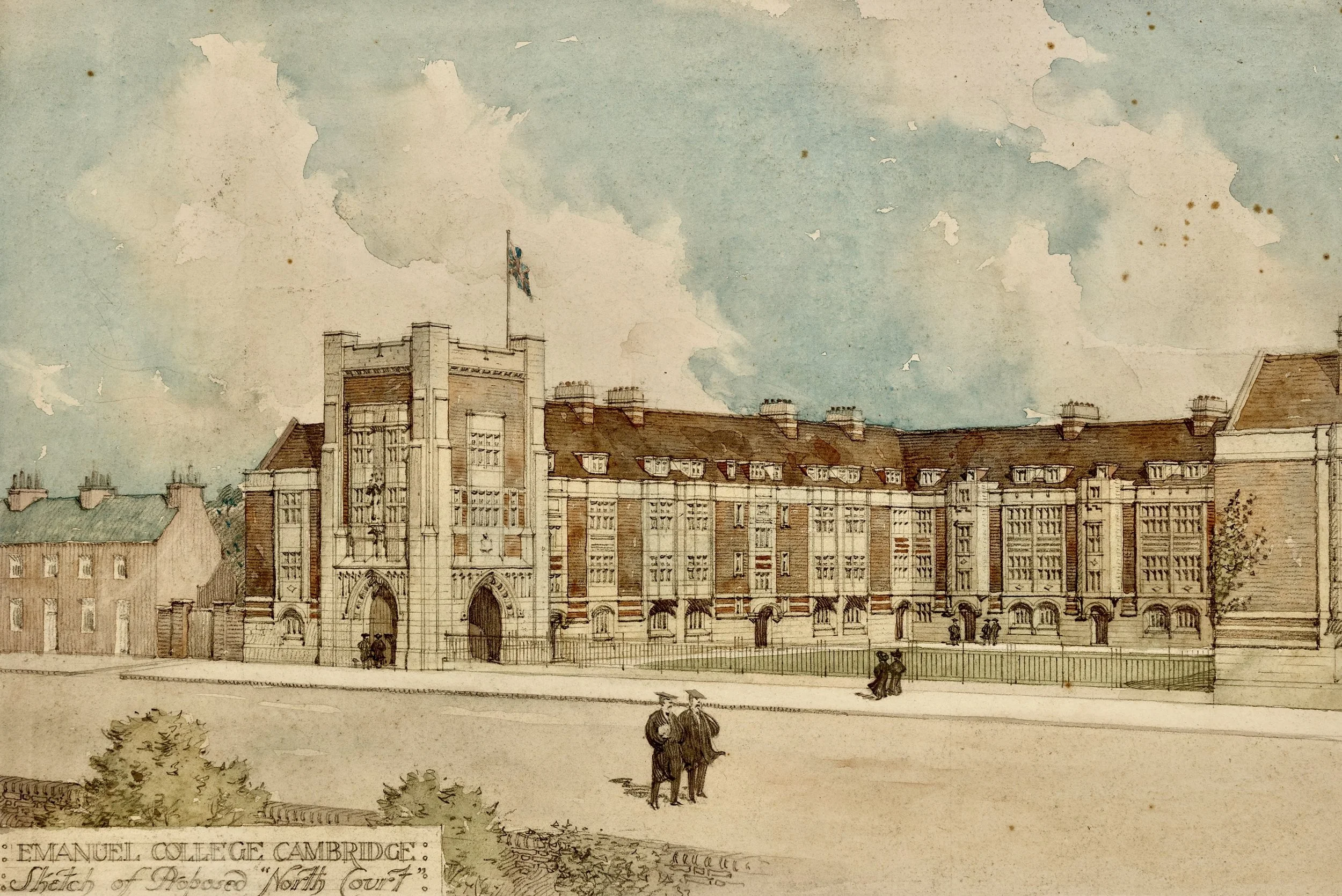
In addition to this country-wide project, Tim has continued to write on architecture, both that of his home city Bristol - City on the Edge (2006) and Bristol Explored - Twelve Architectural Walks (2015) and on national subjects. His last architectural biography was of the eighteenth-century artist, architect, furniture and landscape designer, William Kent. This revisionist study was published in May 2006 by Jonathan Cape, and appeared as a Pimlico paperback in April 2007. His most recent publications have been a revision of his 1988 biography (Architect of Obsession – John Wood and the Creation of Georgian Bath, 2022); two books on unrealised architectural schemes in Bath and Cambridge; a cultural biography of the late-Victorian architect, Basil Champneys (A Most Brilliant Outsider, 2026); and a study of the ornamental gardening of the Regency period, with its gardens as stage sets for lavish alfresco entertainments. (All Around is Fairy Ground – Pleasure and the Regency Garden, 2026).

Please click to enlarge